What Does Independence Mean to Us Today?
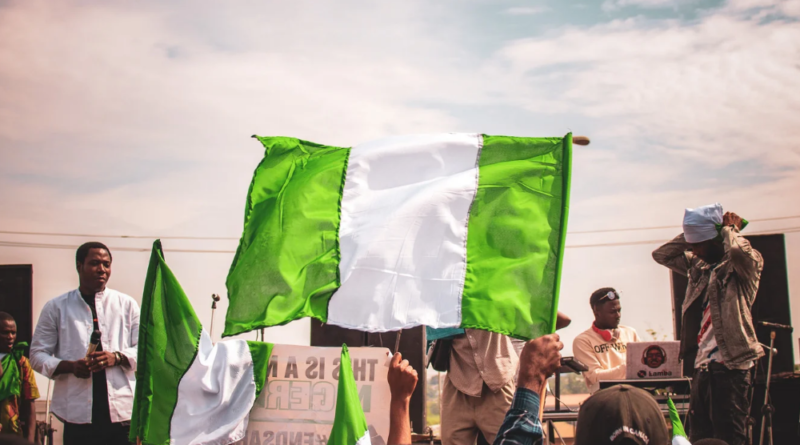
Every October 1, Nigeria pauses to celebrate another year of independence. We see the green and white everywhere, hear the familiar patriotic songs, read messages about our great nation and, for a moment, remind ourselves that we are part of a country with a long and complicated story.
Today, Nigeria marks its 66th Independence Anniversary. The Federal Government has declared October 1 a public holiday to commemorate the occasion.
But beyond the celebrations, I have been wondering about what independence really means to the ordinary Nigerian today.
When we hear the word independence, we often think about October 1, 1960, when Nigeria gained independence from British colonial rule. But perhaps independence is also something we should think about at a personal level.
What does it mean to be independent today?
For some people, it may mean having a source of income that gives them a measure of financial freedom. For another person, it may mean being able to make important decisions without constantly depending on someone else. For a young graduate, it may mean finding meaningful work. For a parent, it may mean being able to provide adequately for their children.
For many Nigerians, independence may simply mean having the freedom and opportunity to build a decent life.
That is why Independence Day can mean different things to different people.
We can celebrate the country while still acknowledging the things that make life difficult for many citizens. We can love Nigeria and still desire improvements in the areas that affect our everyday lives. We can appreciate how far the country has come while recognising that there is still much work to be done.
The official theme for this year’s anniversary is “From Reforms to Stability: Consolidating Nigeria’s Renewed Hope for Shared Prosperity.” The Federal Government says the anniversary is an opportunity to reflect on Nigeria’s journey and on the need to translate economic and other reforms into tangible improvements in people’s lives.
Whether we agree with every government position or not, the phrase shared prosperity raises an important question for all of us: what does prosperity actually look like in the everyday lives of Nigerians?
It is easy to talk about national development in terms of statistics, policies and large projects. But development also has a human face.
It is the child who has access to a good education, the entrepreneur who can build a business without being overwhelmed by unnecessary obstacles, the graduate who finds an opportunity to use their skills, the family that can afford food, healthcare and a decent place to live, and the worker who receives fair compensation for their labour.
It is also the young person who can look into the future and believe that there is a place for them in the Nigeria they call home.
Perhaps this is why Independence Day should not only be about looking backwards. It should also be about asking ourselves what kind of future we are helping to create.
Governments have their responsibilities, but citizens also have theirs.
The way we treat one another matters. The information we share matters. The way we conduct our businesses matters. The way we raise our children matters. The way we respond to opportunities, challenges and one another matters.
A country is ultimately made up of its people.
So, as we celebrate Nigeria at 66, perhaps we should each take a moment to ask ourselves a simple question:
What does a better Nigeria mean to me, and what am I doing, in my own little way, to contribute to it?
We may not all have the power to change the country overnight. Most of us will never sit in government or make decisions that affect millions of people.
But we can still contribute through the work we do, the people we influence, the children we raise, the knowledge we share, the businesses we build, the communities we serve and the choices we make every day.
Nigeria’s story is still being written.
And all of us are, in one way or another, part of the story.
Happy Independence Day, Nigeria. 🇳🇬
May the years ahead bring greater opportunities, stronger communities and a future in which more Nigerians can live, work, learn and thrive with dignity.