
3 Books to Read If You Want to Understand Artificial Intelligence
Artificial intelligence is becoming part of our everyday lives. From the tools we use to write and research to the systems that recommend what we watch, buy, or read, AI is changing how we work, learn, and interact with the world.
Yet, despite how often we hear about AI, many people still struggle to understand what it really means, how it works, and what it could mean for the future.
You don’t have to be a programmer or technology expert to start learning about artificial intelligence. Sometimes, the best place to start is with a good book that explains the ideas, explores the possibilities, and encourages you to think critically.
If you want to develop a better understanding of AI, here are three books worth exploring.
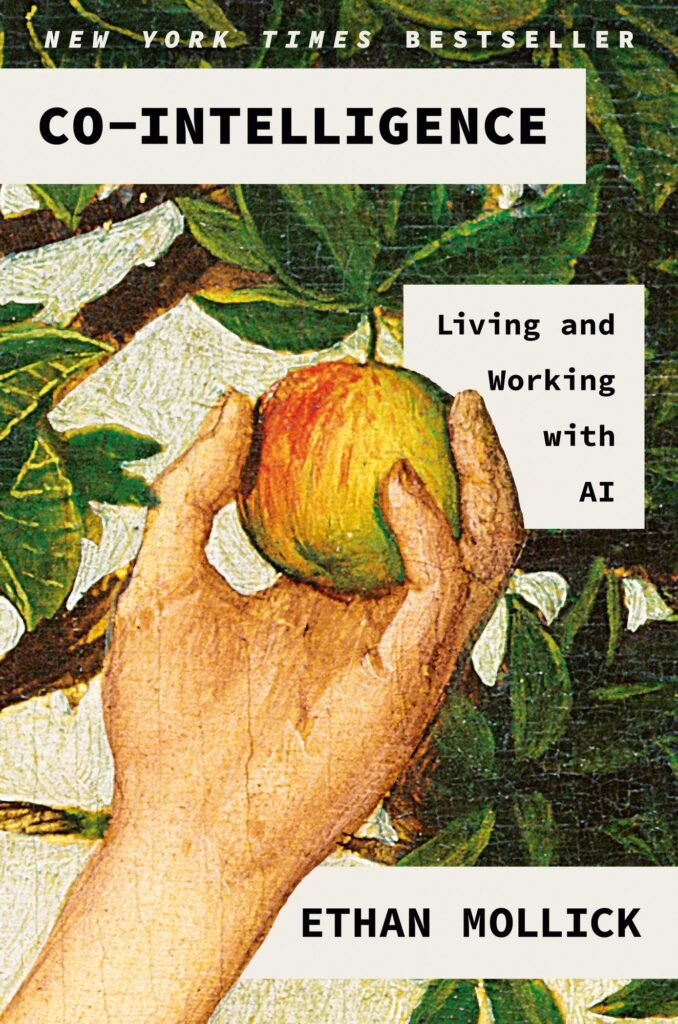
1. Co-Intelligence by Ethan Mollick
Artificial intelligence is often discussed as though it will either solve all our problems or replace human beings altogether. In reality, the relationship between people and AI is more complex.
In Co-Intelligence: Living and Working with AI, Ethan Mollick explores how people can work alongside AI systems, use them to support their tasks, and think carefully about their limitations.
The book is particularly relevant to people who want to understand how AI can support writing, teaching, research, business, and everyday productivity.
One important lesson to take from this subject is that using AI effectively requires more than knowing which buttons to click. It also requires judgement, experimentation, and the ability to evaluate what a tool produces.
Who should read it?
This book is worth considering if you are a professional, entrepreneur, teacher, student, content creator, or anyone curious about using AI in practical ways.
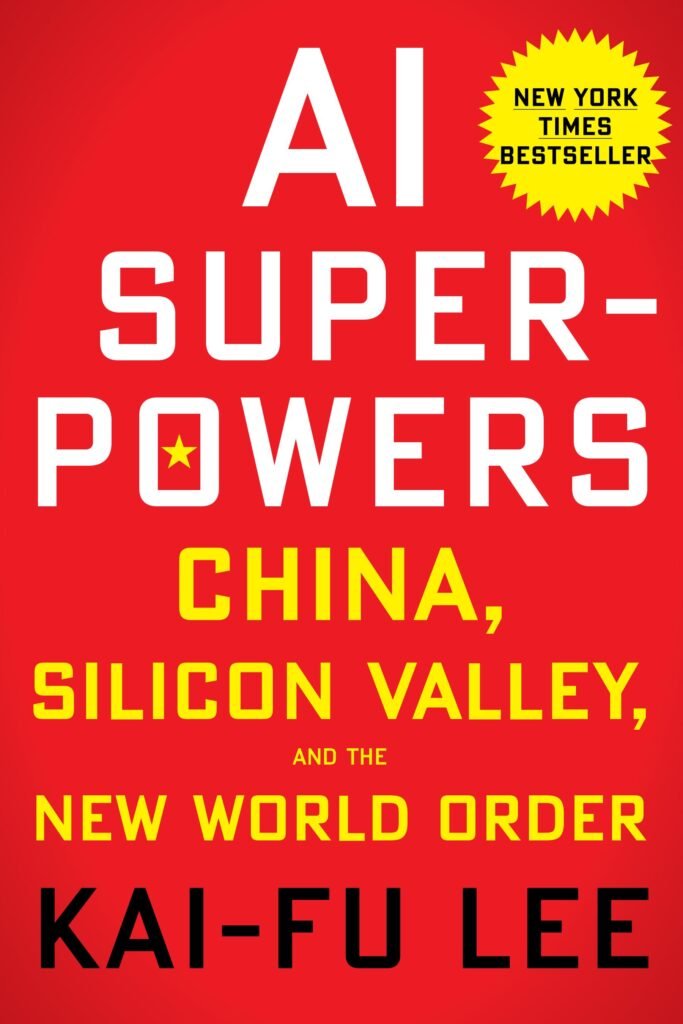
2. AI Superpowers by Kai-Fu Lee
Artificial intelligence is not only a technological development; it is also changing economies, industries, and the competitive landscape between countries.
In AI Superpowers: China, Silicon Valley, and the New World Order, Kai-Fu Lee examines the development of AI, particularly the competition and differences between China and the United States.
The book provides a broader perspective on how investment, data, entrepreneurship, and national strategies influence the development of artificial intelligence.
For readers who want to understand AI beyond the applications they use on their phones or computers, this wider perspective can be valuable.
It also encourages us to think about the implications of technological change for businesses, employment, education, and economic development.
Who should read it?
Consider this book if you are interested in technology trends, business strategy, innovation, economics, or the global implications of AI.
Although the book was published before many of today’s generative AI developments, its historical and strategic perspectives can still provide useful context.
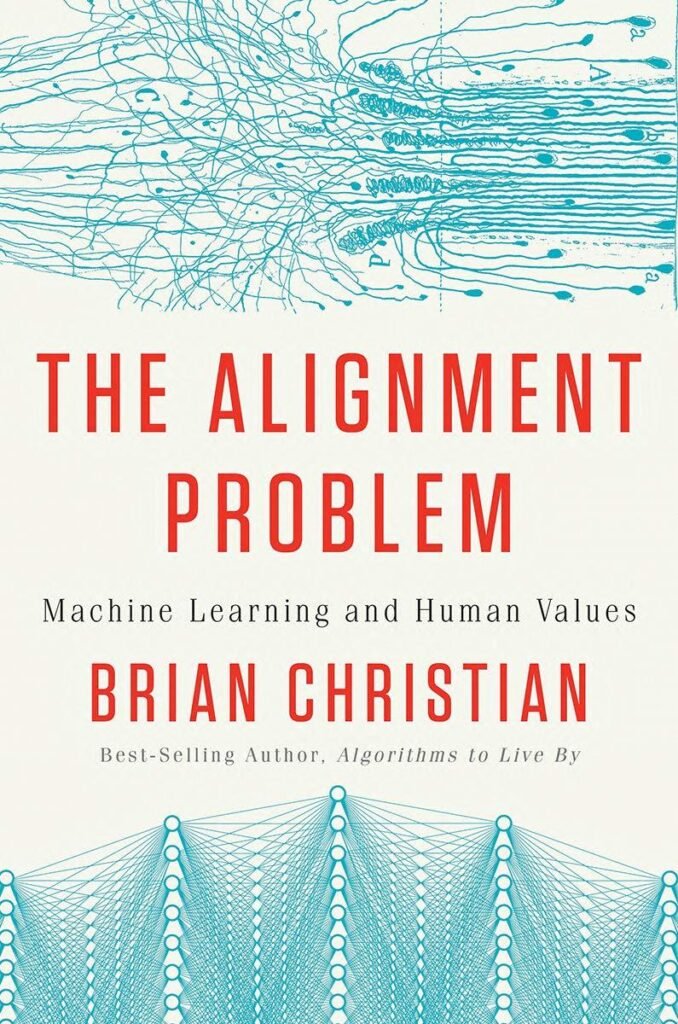
3. The Alignment Problem by Brian Christian
As AI systems become more capable, an important question arises: how do we ensure that these systems behave in ways that align with human intentions and values?
In The Alignment Problem: Machine Learning and Human Values, Brian Christian explores the challenges involved in building machine learning systems that behave as people intend.
The subject goes beyond whether an AI system can produce an impressive answer. It also considers what happens when a system learns the wrong objective, reflects biases in its data, or produces results that do not match what its designers intended.
These questions matter because AI systems can influence decisions in areas such as employment, healthcare, education, and other aspects of society.
Understanding these challenges helps us approach AI with curiosity without assuming that every output is accurate, fair, or appropriate.
Who should read it?
This book may appeal to readers interested in AI ethics, machine learning, responsible technology, and the relationship between human values and automated systems.
Which book should you read first?
Your starting point depends on what you want to learn.
If you want practical insights into working with AI, start with Co-Intelligence. If you are interested in the global technology landscape, explore AI Superpowers. If your main interest is how AI systems can be designed to behave responsibly, consider The Alignment Problem.
You do not need to read all three at once. Choose the book that answers the question currently on your mind, take notes as you read, and consider how its ideas relate to your own work and experiences.
Final thoughts
Artificial intelligence is too important to approach only through headlines, social media discussions, or short demonstrations of what a tool can do. Reading more deeply can help us develop a balanced understanding of both its possibilities and its limitations.
The aim is not simply to learn how to use AI. It is to become a more informed person who can question its outputs, recognise its limitations, and make thoughtful decisions about when and how to use it.
Which aspect of artificial intelligence interests you most: using AI in your daily work, understanding its global impact, or exploring its ethical implications?
Share your thoughts in the comments.
Affiliate disclosure: This article may contain affiliate links. If you purchase through these links, I may earn a commission at no additional cost to you.
As an Amazon Associate, I earn from qualifying purchases.