
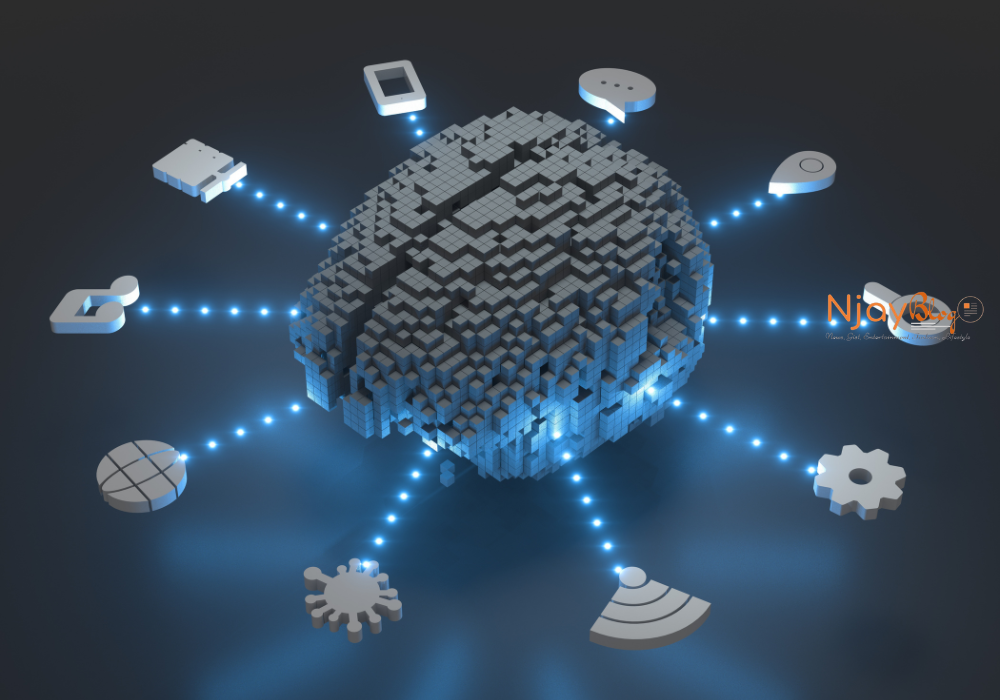
How AI Is Quietly Changing the Way People Think and Live
A few years ago, artificial intelligence sounded like something distant and futuristic. Today, it has quietly become part of everyday life.
People use AI to write emails, edit photos, answer questions, organise schedules, recommend music, generate videos, and even assist with schoolwork or business tasks. Many people interact with AI daily without fully realising how deeply it already shapes modern life.
What makes this moment particularly interesting is not just the technology itself, but how quickly society is adapting to it.
AI is no longer simply a tool used by large tech companies. It is becoming integrated into how ordinary people work, learn, communicate, and make decisions.
And while the benefits are significant, many experts are also raising important questions about how AI may affect human thinking, attention, creativity, and even relationships in the years ahead.
What Is AI?
Artificial intelligence refers to computer systems designed to perform tasks that normally require human intelligence.
This includes:
- understanding language
- recognizing images
- solving problems
- generating content
- learning patterns
- and making predictions based on data
Modern AI systems can now produce human-like writing, realistic images, computer code, music, and conversational responses within seconds.
This rapid advancement has surprised even many technology experts.
Why AI is Expanding so Quickly
One major reason AI is spreading rapidly is convenience. People naturally adopt tools that save time and reduce effort.
AI can:
- summarize information quickly
- automate repetitive tasks
- assist with writing
- answer questions instantly
- and improve productivity in many industries
Businesses are investing heavily in AI because it can reduce costs and increase efficiency. Students use it for learning support. Content creators use it for ideas and editing. Professionals use it to simplify work processes.
As the technology improves, its influence continues to expand into daily life.
The Growing Concern About Human Attention
While AI offers many advantages, some researchers worry about how increasing dependence on technology may affect human thinking.
Modern life already places enormous pressure on attention spans. Social media, short-form videos, endless notifications, and constant digital stimulation have made deep focus harder for many people.
AI may accelerate this trend if people begin outsourcing too much thinking, problem-solving, and creativity to machines.
For example, if people rely heavily on AI to:
- write constantly
- generate ideas instantly
- solve every small problem
- or summarise all information, there is concern that critical thinking skills may weaken over time.
Technology has always changed human behaviour, but AI may do so at a much faster pace because of how interactive and accessible it is.
AI and Creativity
One of the biggest debates surrounding AI involves creativity.
Can AI truly be creative? Or is it simply remixing patterns from existing human work?
AI-generated art, writing, music, and videos have already sparked major discussions online. Some people see these tools as helpful assistants that enhance creativity. Others worry they may reduce originality or replace human artists in certain industries.
The reality is likely somewhere in between.
AI can generate impressive content quickly, but human creativity still carries emotional depth, lived experience, intuition, and personal meaning in ways machines cannot fully replicate.
Technology may assist creativity, but many people still value work that feels genuinely human.
The Psychological Effects of AI
Another important conversation involves trust and human interaction.
As AI becomes more advanced, some people may begin relying on it emotionally or socially in ways society has not fully prepared for.
People already spend large amounts of time interacting with digital systems. AI companions, chatbots, and personalised recommendation systems are becoming increasingly sophisticated.
This raises questions about:
- loneliness
- emotional dependence on technology
- misinformation
- and the ability to distinguish reality from artificial content
Deepfake technology, for example, can create highly realistic fake videos or audio recordings. AI-generated misinformation may also become harder to identify in the future. This means digital literacy will become increasingly important.
Jobs and the Future of Work
One reason AI generates both excitement and fear is its potential impact on jobs.
Some industries may experience major changes as automation improves. Repetitive tasks in areas like customer service, data processing, and administrative work could increasingly be handled by AI systems.
At the same time, new opportunities may emerge in technology, AI management, creative strategy, and digital skills.
Historically, technological revolutions have both eliminated and created jobs. The challenge is often how quickly society adapts to change. Many experts believe future workers will need stronger adaptability, communication skills, creativity, emotional intelligence and critical thinking.
These human qualities may become even more valuable in an AI-driven world.
AI is a Tool, not a Replacement for Humanity
Despite the concerns, AI itself is not inherently good or bad. Its impact depends largely on how people choose to use it.
Technology can improve healthcare, education, accessibility, productivity, and scientific research. AI already assists doctors, researchers, and businesses in ways that were impossible a few decades ago.
But balance matters. Human beings still need:
- genuine connection
- independent thought
- emotional awareness
- rest
- creativity
- and ethical judgment
No technology can fully replace those things.
Final Thoughts
Artificial intelligence is changing modern life rapidly, often in ways people are only beginning to understand.
It is making work faster, information easier to access, and digital tools more powerful than ever before. But it is also reshaping attention, communication, creativity, and human habits in subtle ways.
The challenge for society is not simply learning how to use AI. It is learning how to use it without losing important parts of what makes human beings thoughtful, creative, emotionally aware, and deeply connected to one another.
Technology will continue evolving. The real question is whether humanity will evolve wisely alongside it.