
Understanding Hantavirus: The Silent Illness Many People Ignore
When people hear the word “fever,” they often think of malaria, typhoid, or flu. Very few people think about diseases carried by rodents. Yet across different parts of the world, one dangerous illness quietly continues to appear in isolated cases and outbreaks: hantavirus disease, sometimes called hantavirus fever.
Recently, global conversations around hantavirus increased again after reports of cases linked to a cruise ship outbreak in 2026. Health authorities, including the World Health Organisation and the Centres for Disease Control and Prevention, emphasised that the public risk remains low, but awareness is important. (The Washington Post)
So what exactly is hantavirus, how does it spread, and why do experts take it seriously?
What Is Hantavirus?
Hantaviruses are a group of viruses mostly carried by rodents such as rats and mice. Humans usually become infected after coming into contact with rodent urine, saliva, droppings, or contaminated dust particles. (CDC)
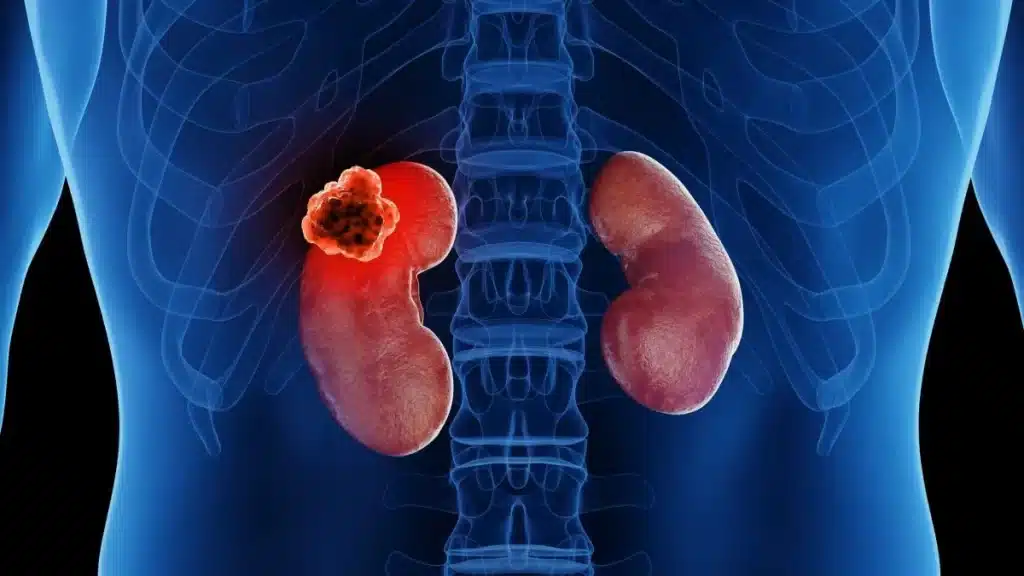
The disease affects different parts of the body depending on the strain of the virus. In the Americas, it commonly causes a severe lung condition called Hantavirus Pulmonary Syndrome (HPS), while in Europe and Asia, it may lead to kidney-related illness known as Hemorrhagic Fever with Renal Syndrome (HFRS). (CDC)
Although rare, hantavirus can become life-threatening very quickly.
How Do People Get Infected?
Most infections happen through exposure to infected rodents. This can occur when:
- Sweeping dusty areas contaminated with rodent droppings
- Cleaning abandoned buildings or storage spaces
- Sleeping in rodent-infested areas
- Touching contaminated surfaces and then touching the mouth or nose
- Handling rodents without protection
According to the CDC, the virus can become airborne when dried droppings or nesting materials are disturbed. Once inhaled, infection can occur. (CDC)
This is one reason public health experts advise people not to dry-sweep rodent waste.
Symptoms Often Start Like an Ordinary Flu
One dangerous thing about hantavirus is that the early symptoms can look very common.
Many patients’ first experience:
- Fever
- Fatigue
- Headaches
- Muscle aches
- Chills
- Nausea
- Vomiting
Later, the illness may suddenly become severe, especially when breathing difficulties begin.
Some people develop:
- Coughing
- Chest tightness
- Severe shortness of breath
- Fluid buildup in the lungs
In serious cases, patients may require oxygen support or intensive hospital care.
Why Doctors Take It Seriously
Hantavirus infections are uncommon, but they are medically serious because symptoms can worsen rapidly. Some strains have high fatality rates if treatment is delayed. The WHO notes that certain forms of hantavirus disease in the Americas may have fatality rates reaching up to 50% in severe cases. (World Health Organization)
There is currently no specific cure or licensed vaccine for hantavirus infection. Treatment mainly focuses on supportive medical care such as oxygen therapy, hydration, and monitoring the lungs and kidneys. (CDC)
This is why early medical attention matters.
Can It Spread Between Humans?
Most hantavirus strains do not spread easily from person to person. However, experts note that a specific strain called the Andes virus has shown limited human-to-human transmission among close contacts in parts of South America. (World Health Organization)
Even so, health authorities say hantavirus is not considered highly contagious like COVID-19. The recent 2026 outbreak discussions have been closely monitored, but global health agencies continue to describe the overall public risk as low. (The Washington Post)
Prevention Is Still the Best Protection
Because rodents are the primary source of infection, prevention focuses heavily on rodent control and safe cleaning practices.
Health experts recommend:
- Keeping homes and storage spaces clean
- Sealing holes where rodents can enter
- Storing food properly
- Avoiding direct contact with rodent waste
- Wetting contaminated areas with disinfectant before cleaning
- Wearing gloves and masks when cleaning risky areas
The CDC strongly warns against dry sweeping or vacuuming rodent droppings because it can stir virus particles into the air.
A Reminder About Public Health
Diseases like hantavirus remind us that health threats are not always loud or dramatic. Sometimes they begin quietly in farms, cabins, warehouses, or neglected corners of buildings where rodents thrive unnoticed.
Awareness does not mean panic. It means understanding risks early enough to stay safe.
In many parts of the world, people focus heavily on diseases spread by mosquitoes while paying less attention to illnesses linked to poor sanitation and rodent exposure. But health safety is often found in ordinary habits: cleanliness, proper storage, environmental hygiene, and paying attention to unusual symptoms before they become emergencies.
And sometimes, the smallest things in neglected corners can create the biggest health problems later.