Peter Obi and the Fear of Political Disruption
Some politicians occupy offices, while others occupy conversations. The difference matters.
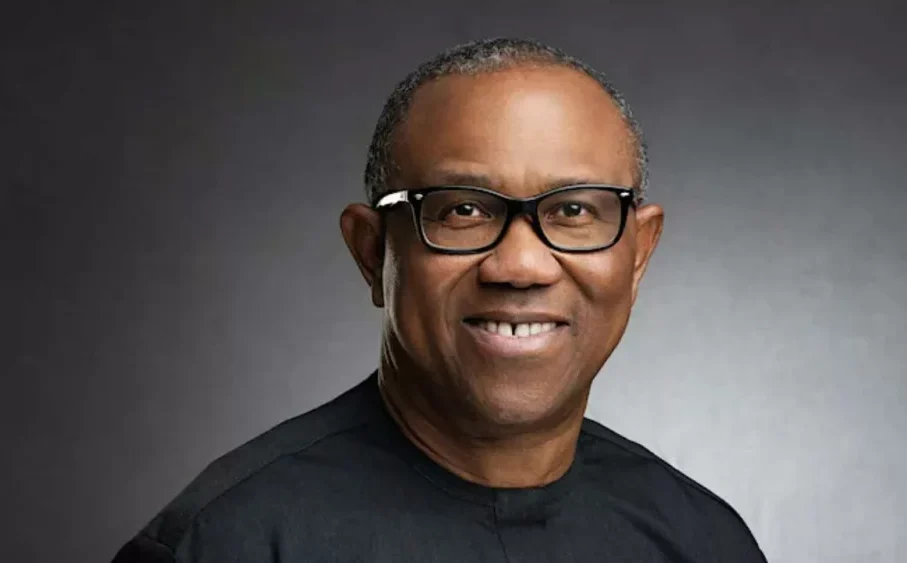
Years after leaving office as governor, and despite not currently holding any major federal position, Peter Obi remains one of the most discussed names in Nigerian politics. Supporters talk about him passionately. Critics mention him constantly, and politicians reference him even when they are trying not to. At times, it almost feels as though an entire section of Nigeria’s political class is still responding to the shockwave of his emergence.
And that raises an important question: Why does Peter Obi trigger such strong emotions?
The answer is not as simple as love or hate; it is deeper than party loyalty. What surrounds Peter Obi is tied to frustration, class consciousness, generational anger, economic hardship, and the growing desire among many Nigerians to believe that leadership can look different from what they have always known.
The 2023 elections changed something in Nigeria.
For years, many young Nigerians were politically detached. Some stopped believing their votes mattered while others saw politics as a dirty game reserved for powerful godfathers, wealthy elites, and political dynasties. Then suddenly, a politician appeared who spoke less like a traditional strongman and more like a manager discussing numbers, budgets, production, and accountability.
To some Nigerians, especially young people, that felt refreshing, but to others, it felt threatening.
This is one of the reasons Peter Obi continues to attract intense criticism. Political systems often resist people who disrupt familiar patterns. Whether one agrees with him or not, Peter Obi disrupted the rhythm of Nigerian politics. He forced conversations around governance, public spending, debt, accountability, and leadership competence into everyday discussions. Markets, barber shops, churches, university hostels, and social media spaces became political classrooms overnight.
That kind of influence does not go unnoticed. People rarely spend this much energy attacking someone they believe is irrelevant.
Part of the tension surrounding Peter Obi also comes from what he represents to many of his supporters. For some, he is not merely a politician, but a symbol of possibility. In difficult economies, symbols become powerful. When people are tired, angry, unemployed, or struggling to survive, they naturally gravitate toward figures who appear disciplined, accessible, or different from the establishment they blame for their suffering.
But symbolism is dangerous territory. Once a politician becomes a symbol, criticism against that person can start to feel personal to supporters. At the same time, opponents may begin to see the politician not merely as a candidate, but as a movement capable of reshaping existing power structures. This often creates aggressive political battles that go beyond policies and enter emotion, identity, and fear.
Nigeria also has another layer that complicates everything: tribalism.
Many political conversations in the country are rarely just about competence. Ethnicity, religion, region, and historical suspicion often shape how politicians are viewed. This reality affects nearly every major political figure in Nigeria, including Peter Obi. Some support him because they genuinely believe in his ideas, some oppose him for ideological reasons, and others react based on ethnic loyalties, political alliances, misinformation, or fear of losing influence.
Social media has intensified all of this.
Nigeria’s online political culture is deeply emotional: supporters defend politicians like football clubs while opponents attack relentlessly. Rumours spread faster than facts, clips are edited for outrage, and every statement becomes ammunition. In that environment, Peter Obi became more than a politician; he became content, controversy, debate, and daily discourse.
And perhaps that is why politicians still mention him frequently. Influence is not measured only by office. Sometimes influence is measured by attention, relevance, and the ability to shape conversations even outside power.
Still, there is another side Nigerians must be careful about. No politician should become a messiah.
History has shown repeatedly that citizens must remain thoughtful, critical, and demanding regardless of who is in power or who promises change. Admiration should never replace accountability. Hope is important, but blind loyalty can become dangerous in any democracy.
Peter Obi is human. Like every politician, he has strengths, weaknesses, supporters, contradictions, and critics. Some criticisms against him are fair; others are exaggerated. Some attacks are political strategies, others come from genuine disagreement. That is the nature of democracy.
But one thing is difficult to deny: he changed the political conversation in Nigeria.
Even those who dislike him are often forced to respond to him. And in politics, that alone says something significant.
Perhaps the real reason Peter Obi continues to provoke strong reactions is because he arrived at a moment when many Nigerians were emotionally exhausted with the system they knew. To some people, he represented hope, to others, disruption and to others still, uncertainty.
And people tend to react strongly to anything capable of changing the direction of a familiar story.