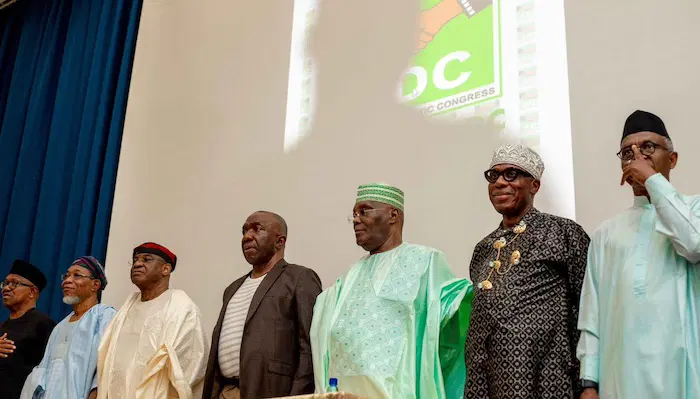
President Tinubu’s recent signing of the 2026 Electoral Act Amendment has been met with a cacophony of reactions across Nigeria. Hailed by some as a crucial step forward for democratic processes, it has simultaneously ignited a firestorm of controversy, with critics fearing it could undermine the integrity of future elections. So, what exactly is causing all the fuss?
The President’s Pen and the Promise of Reform
On Wednesday, February 18, 2026, President Bola Ahmed Tinubu appended his signature to the eagerly anticipated 2026 Electoral Act Amendment Bill. The presidency, along with proponents of the new law, has lauded it as a significant reform designed to strengthen Nigeria’s electoral framework, enhance transparency, and ensure more credible elections.
Key among the touted benefits were expected provisions to streamline voter registration, improve dispute resolution mechanisms, and clarify election procedures. However, it’s one specific clause regarding the transmission of results that has become the epicentre of a national debate.
The Heart of the Controversy: Electronic vs. Manual Transmission
The most contentious aspect of the newly signed Act revolves around Section 60, subsection 2, which addresses the transmission of election results. While the previous electoral discussions often emphasised the critical role of electronic transmission, the amended Act introduces language that has raised serious alarm bells.
The new law states that the electronic transmission of results will be “supportive” rather than a mandatory, standalone replacement for manual collation. This subtle yet significant shift in wording has been interpreted by many as a potential rollback on the progress made towards fully digitised and less manipulable election processes.
Why is this such a big deal?
The fear among critics stems from Nigeria’s history of electoral malpractice. Manual collation processes have long been susceptible to various forms of manipulation, including result alteration, intimidation, and outright falsification at different stages. Electronic transmission, on the other hand, was largely seen as a robust safeguard, reducing human interference and increasing the speed and accuracy of result dissemination directly from polling units.
By designating electronic transmission as merely “supportive,” opponents argue that the Act reopens the door to the very issues electronic systems were designed to mitigate. This provision, they claim, could provide a legal loophole for unscrupulous actors to revert to less transparent manual processes, potentially jeopardising the credibility of election outcomes.
Voices of Dissent and Disillusionment
Prominent figures and civil society organisations have wasted no time in expressing their deep concerns. Political economist and elder statesman, Pat Utomi, was quick to label the amendment as a “dangerous turning point,” suggesting it could erode public trust in the electoral system.
Similarly, numerous Civil Society Organizations (CSOs) that have historically advocated for electoral reforms have voiced their strong disapproval. They see the amendment as a betrayal of the collective efforts to ensure free and fair elections, warning of potential unrest and further disenfranchisement of the electorate if the public perceives the system as being rigged.
On social media platforms like X (formerly Twitter), the hashtag #ElectoralAct2026 is trending with a mix of outrage, disappointment, and frantic debate. Nigerians are questioning the true intent behind the amendment, with many expressing cynicism about the political class’s commitment to genuine democratic reforms. The sentiment is palpable: Is this a genuine effort to improve elections, or a calculated move to introduce a “technical glitch” that benefits certain interests?
What Next for Nigerian Democracy?
The signing of the 2026 Electoral Act Amendment has undoubtedly set the stage for intense legal and political battles leading up to future elections. The controversy highlights the ongoing struggle for genuine democratic consolidation in Nigeria, where the letter of the law can sometimes be interpreted in ways that either uplift or undermine the spirit of the people’s will.
As the nation grapples with this new reality, all eyes will be on the Independent National Electoral Commission (INEC) to see how they navigate these provisions and uphold the integrity of the electoral process under the amended law.
What are your thoughts on the 2026 Electoral Act? Do you believe it’s a step forward or a dangerous precedent for Nigerian democracy? Share your opinions in the comments below!