What You Should Know About Kidney Cancer
It grows quietly. It rarely announces itself early. But when we know what to look for and how to live to reduce our risk, we reclaim some power. Let’s talk about it.
What Is Kidney Cancer?
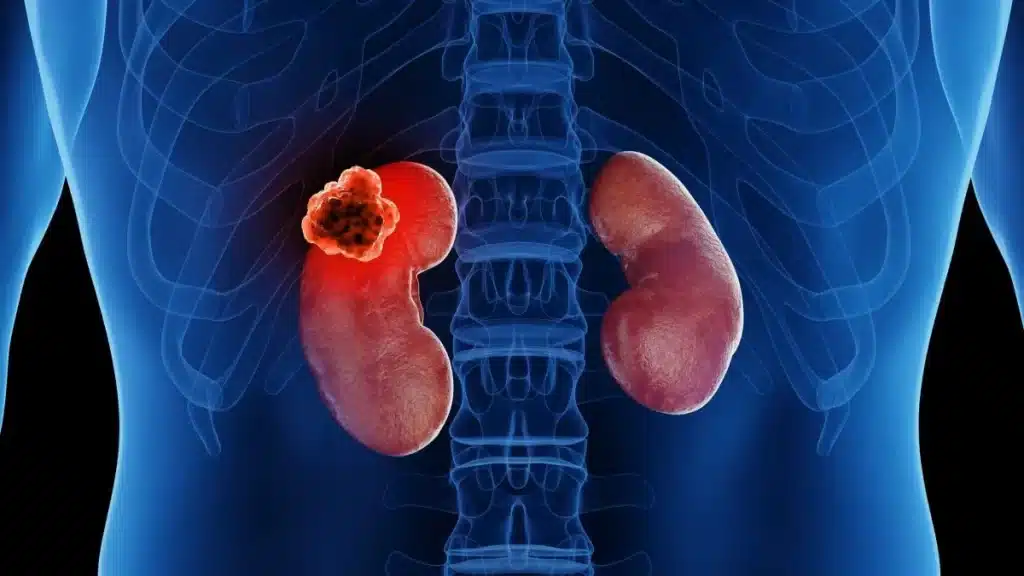
Your kidneys are two fist-sized, bean-shaped organs tucked quietly at the back of your abdomen, just below your ribcage. Every single day, they filter your blood, remove waste, and help regulate your blood pressure and fluid balance. They work in the background, faithfully, without fanfare.
Kidney cancer, also called renal cancer, occurs when abnormal cells in one or both kidneys begin to grow and multiply uncontrollably, forming a tumour. The most common type is renal cell carcinoma (RCC), which accounts for about 90% of all kidney cancer cases. Other types include transitional cell carcinoma and Wilms’ tumour, which is more common in children.
What makes kidney cancer particularly tricky is that in its early stages, it often causes no symptoms at all. Many people only discover they have it during a scan done for a completely different reason. By the time symptoms appear, the cancer may have already grown or spread.
Signs and Symptoms to Watch For
Because kidney cancer is often silent in its early stages, knowing the warning signs, even if they appear later, can make a critical difference. These are the symptoms to take seriously:
- Blood in your urine (it may appear pink, red, or cola-coloured — this is one of the most common signs)
- A persistent pain or dull ache in your back or side, below the ribs
- A lump or mass on the side or lower back
- Unexplained and persistent fatigue
- Sudden and unintended weight loss
- Loss of appetite
- Recurring fever not caused by infection
- Swelling of the ankles and legs
- High blood pressure that is difficult to control
- Anaemia (low red blood cell count)
If you notice blood in your urine even once, do not wait. Visit your doctor immediately. It may not be cancer, but it needs to be checked.
Who Is at Risk?
Kidney cancer can affect anyone, but certain factors increase your likelihood of developing it. Knowing your risk factors is not about living in fear; it is about making informed choices.
Lifestyle Risk Factors
- Smoking: Smokers are almost twice as likely to develop kidney cancer as non-smokers. The longer you smoke, the higher your risk.
- Obesity: Carrying excess weight, particularly around the abdomen, is strongly linked to kidney cancer. Fat cells produce hormones that can disrupt normal cell growth.
- High blood pressure (hypertension): Even when managed with medication, persistent high blood pressure has been linked to an increased risk.
- Long-term use of certain pain medications: Prolonged use of over-the-counter pain relievers like ibuprofen and aspirin in large doses may increase risk over time.
- Occupational exposure: Working with certain chemicals such as trichloroethylene, asbestos, or cadmium has been associated with a higher risk.
Medical and Genetic Risk Factors
- Family history: Having a close relative with kidney cancer increases your risk.
- Chronic kidney disease: Long-standing kidney disease, especially in people on dialysis, raises the risk.
- Certain inherited conditions: Conditions like Von Hippel-Lindau (VHL) disease, hereditary papillary renal cell carcinoma, and Birt-Hogg-Dubé syndrome are linked to kidney cancer.
- Male sex: Men are about twice as likely as women to be diagnosed with kidney cancer, though women are by no means immune.
- Age: The risk increases with age, with most cases diagnosed in people between 65 and 74.
How to Protect Yourself: Prevention and Self-Care
While we cannot change our age, genetics, or family history, there is a great deal within our hands. The choices we make daily either protect our kidneys or put them under quiet stress. Here is how to shift the balance in your favour.
1. Quit Smoking — Or Never Start
This is the single most impactful lifestyle change you can make for your kidney health. The risk of kidney cancer begins to drop as soon as you stop smoking, and continues to decrease over the years. Speak to your doctor about cessation programmes, nicotine replacement therapy, or counselling support. You do not have to do it alone.
2. Maintain a Healthy Weight
You do not have to be thin; you need to be well within your body. Aim for gradual, sustainable changes: more whole foods, less processed food, more movement in your day. Even modest weight loss in people who are overweight can meaningfully reduce cancer risk. Think progress, not perfection.
3. Manage Your Blood Pressure
High blood pressure is not just a heart concern; it strains your kidneys directly. Get your blood pressure checked regularly. If it is elevated, take it seriously. Reduce salt intake, increase potassium-rich foods like bananas, sweet potatoes, and leafy greens, exercise consistently, limit alcohol, and take any prescribed medication faithfully.
4. Eat a Kidney-Friendly Diet
Food is medicine when we choose wisely. Build your meals around:
- Fruits and vegetables: Rich in antioxidants that fight cell damage — think tomatoes, watermelon, berries, and dark leafy greens
- Whole grains: Brown rice, oats, millet, and whole wheat support a healthy weight and stable blood sugar
- Lean proteins: Fish, beans, eggs, and chicken in moderate portions
- Healthy fats: Avocado, nuts, and olive oil
- Plenty of water: Staying hydrated helps your kidneys flush toxins efficiently
Reduce red and processed meats, excessive salt, sugary drinks, and fried foods. These do not just harm your kidneys; they tax your entire body.
5. Stay Physically Active
Regular exercise reduces the risk of obesity, high blood pressure, and several cancers, including kidney cancer. You do not need a gym membership. Walk briskly for 30 minutes most days. Dance in your kitchen. Take the stairs. Garden. Move your body with joy and consistency, not obligation.
6. Be Careful with Pain Medications
Painkillers like ibuprofen and aspirin are safe when used occasionally and correctly. But long-term, high-dose use can damage kidney tissue over time. If you find yourself reaching for pain relief regularly, speak to a doctor about what might be causing that underlying pain and safer ways to manage it.
7. Limit Alcohol
While moderate alcohol consumption has not been directly linked to kidney cancer in all studies, alcohol contributes to weight gain, liver damage, and high blood pressure — all of which increase your overall cancer risk. If you drink, do so mindfully and in moderation.
8. Know Your Family History
If kidney cancer has appeared in your family, tell your doctor. You may need earlier or more frequent screening. Knowledge of your family history is not a burden; it is a tool. Use it.
9. Do Not Skip Your Medical Check-ups
Routine blood and urine tests can pick up early signs of kidney trouble before symptoms ever appear. Regular check-ups are one of the simplest and most underused tools in our health arsenal. In Nigeria, private diagnostic centres in most cities now offer comprehensive health screening packages; make it a habit, at least once a year.
Diagnosis and Treatment: What to Expect
If your doctor suspects kidney cancer, they will typically recommend one or more of the following:
- Blood and urine tests: To check kidney function and look for abnormalities.
- Ultrasound: A first-line imaging test, widely available in Nigeria.
- CT scan or MRI: For a clearer picture of any masses found.
- Biopsy: A small tissue sample may be taken to confirm whether a tumour is cancerous.
Treatment depends on the stage and type of cancer, as well as the patient’s overall health. Options may include:
- Surgery: The most common treatment, often involving the removal of part or all of the affected kidney (partial or radical nephrectomy).
- Targeted therapy: Medications that target specific abnormalities in cancer cells.
- Immunotherapy: Helping your immune system recognise and fight cancer cells.
- Radiation therapy: Less commonly used for kidney cancer, but may be recommended for symptom management.
- Active surveillance: For very small, slow-growing tumours, doctors may recommend watchful waiting with regular monitoring.
When caught early, kidney cancer has a very high survival rate. The five-year survival rate for localised kidney cancer is above 90%. Early detection saves lives.
A Final Word: Your Kidneys Deserve Your Attention
We live in a culture that normalises pushing through — ignoring the fatigue, brushing off the backache, delaying the check-up. But our kidneys are working for us every second of every day. The very least we can do is return the care.
You do not have to overhaul your entire life overnight. Start where you are. Drink more water today. Book that check-up you have been putting off. Talk to your doctor about your family history. Take your blood pressure medication. Walk a little further.
Small, consistent choices compound into a life of health. You are worth that investment.