The Middle East on Edge: Understanding the Iran–Israel–US Crisis
The Middle East has long been one of the most politically sensitive regions in the world, but recent developments have pushed tensions to a dangerous new level. The current crisis involving Iran, Israel, and the United States is not just another regional conflict. It is a confrontation with global implications: political, economic, and humanitarian.
A Conflict Years in the Making
The hostility between Iran and Israel did not begin overnight. For years, the two countries have accused each other of threatening regional security. Israel has consistently warned that Iran’s nuclear programme could eventually produce nuclear weapons, something Israel considers an existential threat. Iran, on the other hand, views Israel and its Western allies as aggressors trying to limit its power in the region.
In late February 2026, tensions escalated dramatically when the United States and Israel launched coordinated airstrikes against targets inside Iran in a campaign widely reported as a major military operation.
Those strikes targeted military facilities, missile systems, and infrastructure believed to be connected to Iran’s nuclear and defence capabilities. The attacks also killed several high-ranking Iranian officials, including Iran’s Supreme Leader at the time.
Retaliation and Escalation
Iran responded swiftly.
Missiles and drones were launched toward Israeli territory and toward American military bases in the region. Some of the retaliation also targeted countries hosting U.S. forces, widening fears that the conflict could spread beyond the immediate participants.
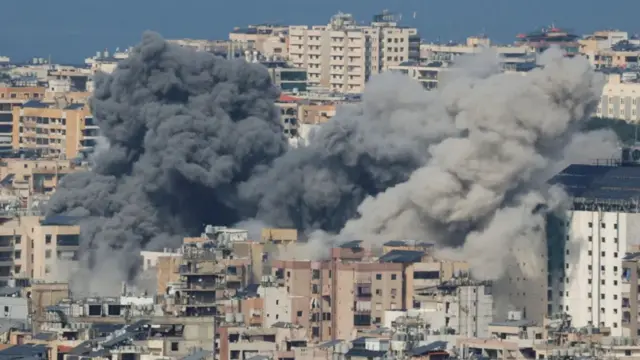
The scale of the conflict has been severe. Hundreds of strikes have hit cities and military installations across Iran, with significant casualties and destruction reported.
Civilian suffering is also mounting. Reports suggest thousands of civilians have been affected by the strikes and ongoing bombardments.
Global Consequences
This war is not isolated. It is already affecting the entire world.
One of the most critical concerns is oil supply. Iran has threatened to disrupt shipping through the Strait of Hormuz, one of the world’s most important energy routes. Any disruption there could send oil prices soaring and trigger global economic shocks.
Some countries in Asia have already begun emergency measures as energy costs surge and supply chains tighten.
Meanwhile, world powers are divided over how to respond. Some governments support Israel’s actions, while others are calling urgently for diplomacy and an immediate ceasefire. Even major powers like Russia have urged the United States and Israel to halt military operations and pursue negotiations.
The Bigger Question: Where Does It End?
One of the most concerning aspects of this crisis is the lack of clarity about its endgame. Analysts note that even among allies, there are differences about what victory would look like or how the conflict might conclude.
History has shown that wars in the Middle East rarely remain confined to a single battlefield. They tend to draw in neighbouring countries, disrupt global markets, and create humanitarian crises that last for years.
A Human Reality Behind the Headlines
Beyond the politics and military strategies are millions of ordinary people caught in the middle. Families in cities hear air raid sirens. Workers worried about economic collapse. Children growing up in uncertainty.
War is often discussed in terms of strategy, power, and geopolitics. But at its core, it is always about people whose lives are suddenly changed by decisions made far above them.
Final Thoughts
The Iran–Israel–US crisis reminds us how fragile global stability can be. A conflict that begins in one region can quickly ripple across the world, affecting energy markets, international security, and human lives.
For now, the world watches and hopes that diplomacy, however difficult, will eventually replace destruction.
Because history has shown one painful truth: wars may start quickly, but their consequences can last for generations.