

Procrastination is not Laziness: Understanding the Real Cause
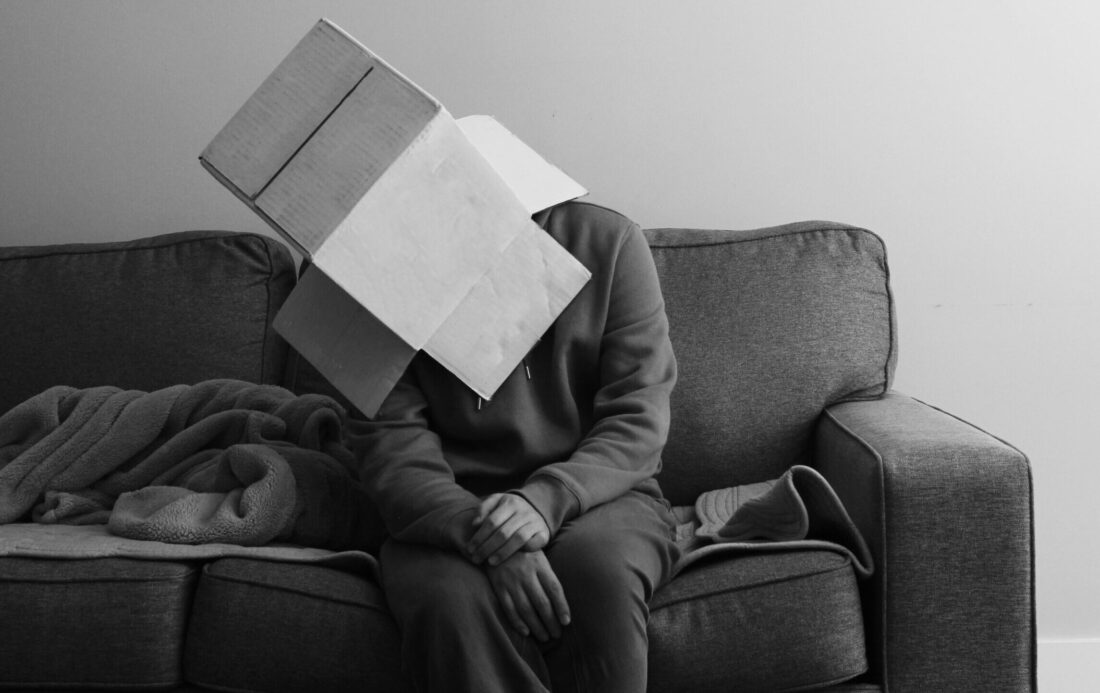
We’ve all been guilty of it: staring at a list of things to be done, knowing full well what needs to be done, and doing everything else but it. Maybe you open up a second window and scroll through social media, tidy up your workspace, or convince yourself you “work better under pressure.” The hours slide by, the task sits untouched, and the guilt creeps in.
When this procedure happens time and time again, the majority of individuals jump to the conclusion: “I simply must be lazy.”
But here is the truth: procrastination is not laziness.
Laziness is refusing to do anything. Procrastination, though, is the avoidance of something specific, usually with other activities (some of which are even productive in nature). On the surface, procrastination is not about not wanting to work; it’s about what is happening beneath.
Why We Procrastinate
- Fear of Failure (or Success)
Sometimes, we procrastinate on a project because, privately, we’re afraid that we’ll be inadequate to execute it properly. Fear of failing, or succeeding and having greater expectations down the road, can immobilise us. So instead of confronting that fear, we procrastinate. - Perfectionism
A majority of procrastinators are perfectionists. They only want to start if everything is perfect, they have the perfect plan, the perfect environment, and the perfect mood. But that never happens. While striving for perfection, they don’t do anything. - Overwhelm
Ever gazed at a monumental task and thought, “Where do I even start?” The size or complexity of a job can look so overwhelming that it is paralysing, and procrastination is an escape from fear of not knowing where to start. - Lack of Clarity
It’s hard to take action on something vague. If you’ve only written “Work on project” on your to-do list, your brain can’t process what that actually means. Without clarity, procrastination fills the gap. - Emotional Avoidance
Sometimes the task itself isn’t difficult, but it stirs up uncomfortable emotions—fear, self-doubt, boredom, or anxiety. Procrastination becomes a way to avoid facing those feelings.
Why It’s Not Laziness
Labelling procrastination as “laziness” is not accurate since it oversimplifies. Laziness implies a lack of drive or effort. But procrastinators care deeply about the work; they simply feel immobilised by underlying fears, doubts, or pressures.
In fact, some of the hardest workers procrastinate the most, not because they don’t want to get the job done, but because they put an immense amount of pressure on themselves to get it perfect.
It’s entirely not a character flaw—it’s a coping mechanism. And like all coping mechanisms, it can be reversed.
Rethinking Procrastination: What You Can Do
- Break It Down
Gigantic projects are overwhelming, but tiny steps are manageable. Rather than having “Finish book” on your to-do list, start with “Write 300 words.” Rather than “Organise house,” start with “Clear one drawer.” Progress builds momentum. - Set Clear Intentions
Fuzzy tasks cry out for procrastination. Be specific: instead of “Work on presentation,” say “Make 3 slides with bullet points.” The more you specify the task, the earlier you can start. - Practice Self-Compassion
Self-beating creates a vicious circle. Recognise procrastination as an anxiety or fear reaction, not laziness. Ask yourself: “What am I afraid of? What emotion do I want to escape?” That awareness alone will probably bring about change. - Change Your Environment
Procrastination sometimes is avoidance. A cluttered workspace, persistent phone notifications, or working in the wrong place can create avoidance. Organise your space to help you focus. - Use the “Two-Minute Rule”
When a task will take less than two minutes, do it. More importantly, vow to start working on a task for two minutes. Momentum will often carry you past your current goals. - Redefine Success
Instead of striving for perfection, strive to move forward. A poor draft is better than an absence of a draft. An imperfect attempt is better than an attempt not made at all.
The Bigger Picture
By restating procrastination, we no longer accuse ourselves of laziness and start to recognise the real barriers. Nine times out of ten, it’s not that we don’t want to accomplish something; it’s what we’re feeling about it.
Getting that frame of mind shifts the narrative from shame to strategy. Rather than saying to yourself, “I’m lazy,” say to yourself, “I’m avoiding this because I’m feeling overwhelmed. How do I make it easier?”
And that’s where you begin to grow.
Because life isn’t about avoiding failure, discomfort, or uncertainty. It’s about learning to move despite it anyway.
Final Thought
Procrastination is not weakness; it’s a signal. A signal that something more is at play, something like fear, perfectionism, or overwhelm. The fix isn’t to beat yourself up over it, though, but to hear what you’re avoiding.
Once you tune in, you can pivot from avoidance to action, and from shame to mastery.

some truly fantastic work on behalf of the owner of this site, utterly outstanding written content.
Hey I am so thrilled I found your blog, I really found you by error, while I was looking on Yahoo for something else, Regardless I am here now and would just like to say kudos for a incredible post and a all round exciting blog (I also love the theme/design), I don’t have time to look over it all at the moment but I have book-marked it and also added your RSS feeds, so when I have time I will be back to read much more, Please do keep up the awesome job.